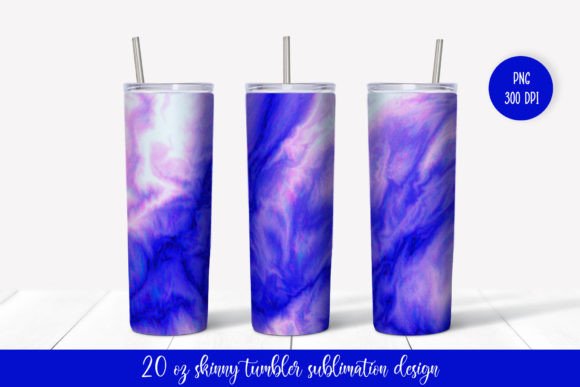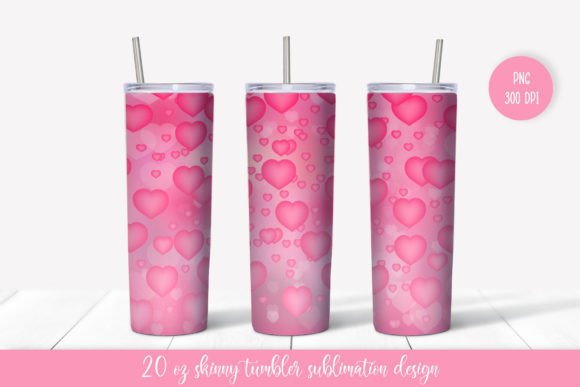
Blue Marble Tumbler Sublimation Design: A Designer's Perspective
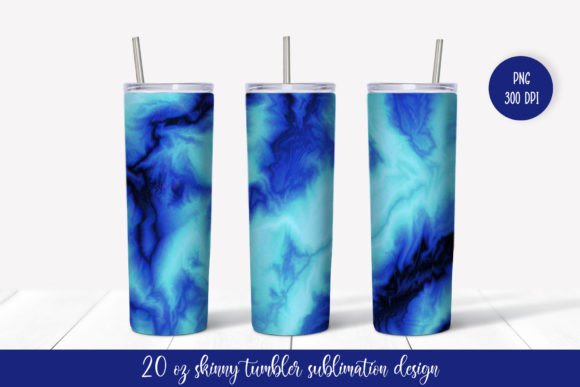
In my studio, surrounded by thread spools and fabric swatches, I look at embroidery files not just as digital art, but as potential physical products. The Blue Marble Tumbler Sublimation Design arrived on my screen with a quiet confidence. It’s not a loud, graphic pattern, but a sophisticated and fluid abstract illustration. The mood it creates is cool, modern, and undeniably chic. The swirling blues and whites evoke a sense of calm luxury, like a high-end ceramic or artisan glass. This isn’t a design shouting for attention; it’s one that draws you in.
The First Impression: Where This Design Naturally Belongs
Immediately, I see its visual personality fitting a certain tier of handmade product. It has a high-end giftability factor. My mind jumps to projects like a premium embroidered tote bag for a boutique, a linen pillow cover for a modern home, or a sophisticated apron for a culinary enthusiast. It feels less like a casual, everyday graphic and more like a statement piece for someone who appreciates refined aesthetics. The layout is balanced, and the detail level in the marble swirls suggests it can translate into embroidery with beautiful texture, provided the stitch density is handled well.
Putting It Into a Real Project: A Custom Embroidered Tote
Let’s walk through a real scenario. I’m preparing a custom embroidered tote bag for a client’s small shop, intended as a high-value merchandise item. The Blue Marble Tumbler Sublimation Design is the candidate. My first consideration is scale. On a large bag surface, this design could be a stunning central focal point. I’m thinking about how those marble veins would look as satin stitches and fill stitches—would they blend smoothly or need careful thread color gradation? The design’s inherent softness means on textured canvas or linen, it would gain a lovely handmade depth, but on a very smooth fabric, it might rely entirely on thread sheen for its effect.
Performance Across Real-Life Embroidery Situations
This design’s strength lies in its versatility for elevated projects. For custom apparel, imagine it on the back of a high-quality cotton sweatshirt—it elevates the garment. On baby clothes or nursery decor, it would bring a serene, artistic touch, far from typical cartoon motifs. As an embroidered patch, it could become a unique badge of style. For holiday gifts, like a beautifully embroidered tea towel or blanket, it feels timeless rather than seasonal.
Its value for a craft business or Etsy seller is in its ability to boost product perception. A tote bag with this design looks professional and artistically considered, which builds customer trust and can justify a higher price point. For brand consistency, if your shop vibe is modern minimalist or artisan-focused, this graphics file aligns perfectly. In printable mockups for digital product previews, this design would render beautifully, suggesting quality to potential buyers.
Where Caution is Needed: The Practicalities of Stitching
However, this elegant illustration requires thoughtful execution. On small hoop sizes, the intricate swirls could become dense and lose clarity. On textured or stretchy fabric, like some sweatshirt materials, those fine details might get lost in the fabric’s own texture. Dark fabric backgrounds would demand a very careful color palette adjustment; the original light blues could lack contrast.
The most critical consideration is stitch density, especially in the denser areas of the marble pattern. Too dense, and the fabric could pucker or become stiff, affecting the drape of an apparel item like a t-shirt. On curved surfaces like caps, the design’s larger rectangular or tapered shape—as indicated in the file descriptions—would need precise placement to avoid distortion at the seams. For products destined for frequent washing, a dense embroidery area could wear differently, so stabilizer choice is key.
Affecting Appeal, Clarity, and Commercial Sense
From a commercial embroidery perspective, using this design well enhances visual appeal through its sophistication. Stitching clarity will depend heavily on translating the digital gradients into a sensible number of thread colors. You might not need every shade, but a thoughtful selection to maintain the watery, blending effect. This attention to detail directly impacts the finished product’s value and the handmade presentation.
For personal and commercial projects, the licensing terms are, of course, the first thing to confirm before any sale. As a designer reviewer, I always advise: confirm the licensing before selling finished items or digital products derived from the file. Does it allow for commercial use of the embroidered goods? That’s step zero.
Designer Notes for a Smooth Embroidery Project
Before you hoop your fabric, here’s my practical checklist. Always test this machine embroidery design on scrap fabric first, using the same material as your final project. Check thread color contrast against your final fabric background—run a test in both light and dark versions if you’re unsure. Review the stitch density in your software; if possible, simplify overly dense areas for better fabric handling.
Confirm the hoop size needed. The provided PNG dimensions give a target area, but your machine’s format and the final stitch area might differ. Inspect the small details in the design’s corners and swirls; will they stitch out cleanly or need slight adjustment? A black and white mockup can help you see the design purely as shape and balance, stripping away the color distraction.
Use a proper stabilizer for your chosen fabric. A design with this much potential fill area needs good support. And finally, step back. Look at the stitched-out sample and ask: does it feel luxurious? Does it have the mood I intended? Would a customer seeing this on a pillow cover or tote in my small shop feel drawn to it? The Blue Marble Tumbler Sublimation Design, when executed with care, answers yes.
It’s a graphics asset that offers a clear path to a premium handmade product. It’s not the easiest design for a beginner’s first project on tricky fabric, but for a designer looking to create something with undeniable artistic value for their craft business, it’s a compelling and beautiful choice.