A Coffee Culture Design for Crafters and Their Cups
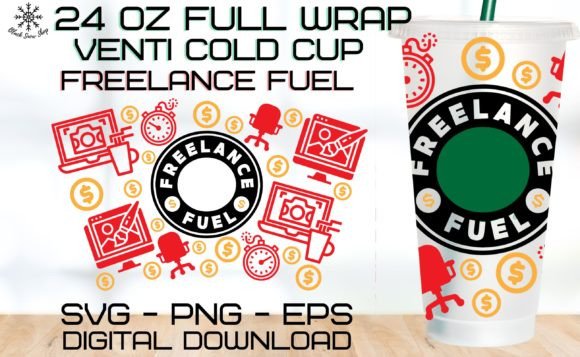
When you’re sourcing designs for real projects, the first impression is everything. Opening the Freelance Fuel Wrap Venti Cold Cup file, I immediately felt that upbeat, creative vibe it carries. This isn’t just a graphic; it’s a mood. The layout and theme speak directly to the coffee-fueled maker, the busy entrepreneur, the dedicated freelancer. As an embroidery designer, I look for visuals that tell a story, and this one clearly belongs on items meant for the daily grind—both literally and figuratively.
Where This Design Finds Its Perfect Home
Let’s picture a real scenario. You’ve got a client who runs a small creative studio, and they want branded tote bags for their team. They’re looking for something fun, professional, and personal. The Freelance Fuel Wrap Venti Cold Cup design jumps out as a candidate. Its illustrative style, with those detailed cup wraps and playful lettering, translates beautifully into a statement piece on a canvas tote. It’s not overly corporate; it’s human and relatable. That’s the kind of finished product that gets smiles and compliments, enhancing customer trust and brand consistency for a small business.
Beyond tote bags, this embroidery file naturally fits a wide range of projects. Imagine it on the breast of a cozy sweatshirt—a perfect custom apparel item for an Etsy shop focusing on maker culture. On a high-quality apron for a coffee shop employee, it becomes a unique uniform accent. As a decorative patch on a backpack, it turns a generic item into a personalized gift. The design’s size and composition also make it a strong contender for pillow covers in a home office or a cheerful addition to a tea towel in a kitchen. For craft fair products or boutique merchandise, this graphic has immediate recognition and appeal.
Navigating the Stitching Reality
In practical embroidery project terms, this design’s detail level is its greatest charm and its primary consideration. The illustrative nature means there are likely areas of fine line work and potentially smaller elements. On a standard hoop size on a mid-weight fabric like a sweatshirt or tote bag material, with proper stabilizer, it should stitch out with lovely clarity. The satin stitches for lettering and the fill stitches for the cup details will create a rich, textured look that adds real value to the handmade product.
However, this is where an experienced eye offers caution. If you’re thinking of scaling this down for a baby item or putting it on a cap with a curved surface, you need to be meticulous. Those detailed corners and any tiny lettering could lose definition on very small hoop sizes or on textured fabrics like terry cloth. Similarly, on thin or stretchy fabric, the stitch density required for such a graphic might cause puckering without the correct stabilizer setup. Always test the design on scrap fabric first, ideally in both a light and dark version to check thread color contrast. A design like this on dark fabric will need a potential underlay or thoughtful color selection to maintain its visual pop.
Preserving Charm Through Careful Execution
The goal is to preserve that friendly, illustrative personality through the stitches. To ensure stitching clarity, pay close attention to the file’s recommended size. Since the product details mention specific dimensions for vinyl application, that gives us a clue about its intended scale—it’s a sizable, prominent graphic. Embroidery at a similar scale should allow the details to shine. For products that need frequent washing, like apparel or kitchen linens, consider simplifying very dense stitch areas if they seem overly thick, to ensure longevity.
For digital product sellers creating printable mockups or design assets, this graphic’s clean, watermark-free file is a great starting point. It allows for clean previews that help buyers visualize the final embroidered patch or item. That transparency builds professionalism and buyer engagement.
A Design That Elevates Your Project’s Story
Ultimately, the Freelance Fuel Wrap Venti Cold Cup is more than a set of shapes; it’s a narrative tool. Using it on a project infuses that item with a sense of energy, creativity, and personal identity. For a holiday gift for a freelance friend, an embroidered pillow with this design feels thoughtfully curated. For your own craft business, it can become a signature product line that resonates with a specific community.
This is the kind of design that enhances giftability and handmade presentation because it feels current and specific, not generic. It connects with the buyer’s own story. When a customer sees this embroidered on a tote bag in your Etsy listing, they’re not just seeing a bag; they’re seeing a badge for their own lifestyle, which is a powerful sell.
Final Practical Notes Before You Hoop It
Before you commit this to a client project or your shop inventory, do your due diligence. Check the licensing terms of the file for commercial embroidery use. Confirm its compatibility with your machine and software, as it's noted for use with Cricut Design Space. While the product category is Illustrations and the type is Graphics, your application is physical embroidery, so always verify the file formats you receive work with your embroidery system.
Run a test stitch. Inspect the small details on your test piece. Compare how it looks on light versus dark fabric backgrounds in your mockups. Use the proper stabilizer for your chosen fabric. These steps separate a hobbyist experiment from a professional, sellable finished product. When a design like Freelance Fuel Wrap Venti Cold Cup is executed well, it becomes a standout piece that people want to hold, use, and gift—and that’s the real measure of a successful embroidery design.