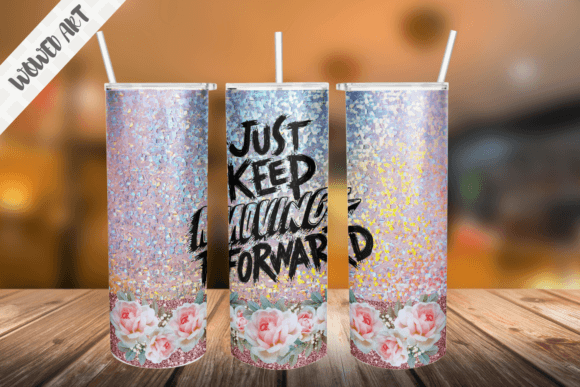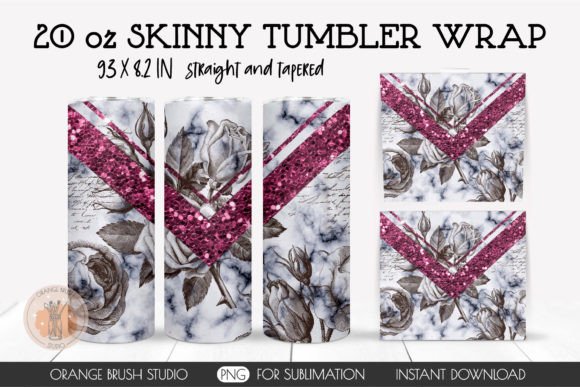
Vintage Glitter Rose Graphics for Crafts & Client Projects
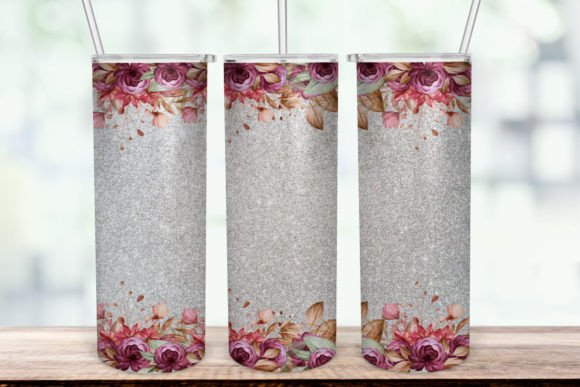
When a client project brief lands in your inbox asking for a blend of ‘gothic romance’ and ‘seasonal elegance’—perhaps for a boutique Halloween product line or an Etsy shop specializing in non-traditional gifts—your first task is to find a design asset that isn’t just decorative, but foundational. Opening the Vintage Glitter Roze 20 OZ Tumbler Wrap file, my immediate impression was of a visual mood built on contrast. The delicate, detailed roses are framed by a darker, almost mystical aesthetic, softened by glitter elements. It feels intentionally crafted for those who appreciate a romantic narrative but reject the overly saccharine. This isn’t just clipart; it’s a statement piece for a specific audience.
Setting the Visual Tone for Niche Brands and Campaigns
In professional design work, the right asset can instantly define a project’s style. The Vintage Glitter Roze design speaks directly to a ‘non-standard romantic’ demographic, as hinted in its description. For a client launching a handmade candle line, a small jewelry brand, or even a local event with a vintage Halloween theme, this graphic provides a ready-made visual language. It brings a sense of polished, thematic cohesion that can be difficult to achieve from scratch. The key is to see it not merely as a tumbler wrap, but as a versatile graphic design asset for a wide range of commercial design applications.
Where This Vintage Rose Design Excels in Real Client Work
My process always involves testing an asset in mockups for real-world use. For this design, several applications stand out immediately. In large layout areas, like the hero graphic for a website or a poster for a seasonal market, the intricate details and glitter effects hold their impact, creating an engaging focal point. It performs beautifully in product mockups beyond tumblers: consider it for t-shirt designs, tote bags, or as a central element on mugs and sticker sets. For packaging design, such as a label for a limited-edition product, it adds instant thematic authority.
As a decorative accent in social media graphics for Instagram or Pinterest, especially for campaigns targeting crafters or digital sellers, it can elevate a simple post into a branded visual. Within Canva templates or as part of a design bundle for a print-on-demand store, its complexity offers value. It’s also ideal for Cricut projects, where the detail can be cut for precise vinyl applications or paper crafts for invitations and wall art. For a small business branding project seeking a cohesive ‘dark romantic’ aesthetic, this asset can serve as a key supporting brand element across touchpoints.
Practical Considerations and Points of Caution
Every experienced designer knows that even the most beautiful asset has limitations that must be respected for a professional outcome. The Vintage Glitter Roze design, with its fine lines and textured glitter, requires careful application in certain contexts. In small sizes—think a tiny logo on a business card or a small icon in a crowded layout—the detail will vanish, potentially muddying the visual hierarchy. Against complex backgrounds, the design may lose contrast and legibility.
It is not naturally suited for minimalist branding or professional corporate materials where clean, sharp lines are paramount. When integrating text, you must test it rigorously. Pairing it with a bold, simple sans-serif font can anchor it, while a delicate script might compete or become lost. The emotional appeal is high, but the readability of any overlaying message must be preserved.
Testing the Asset for Professional Integrity and Commercial Use
Before committing this asset to a paid client project, I run a series of standard checks. First, I test it in black and white to understand its form without color—a crucial step for any design that may appear in monochrome contexts. I place it on both light and dark backgrounds in a mockup to verify contrast and ensure it doesn’t rely solely on one tone. Previewing it at both small and large sizes confirms where its details remain effective.
If the file includes an SVG design component, I inspect the vector editability—can I easily adjust colors or separate elements to fit a unique brand palette? For PNG design files, I check the transparency quality to ensure clean edges for overlays. For any print application, from sublimation design for tumblers to printable wall art, I verify the resolution and color mode in a test print. Most critically, I confirm the commercial license terms. Using an asset for a client’s business or marketing visuals requires unambiguous permission for commercial design use.
The Final Impression: A Tool for Crafted Brand Stories
The Vintage Glitter Roze 20 OZ Tumbler Wrap succeeds as a digital product because it offers more than a pattern; it offers a mood. For designers, brand owners, and content creators working with niche audiences, it provides a shortcut to a specific aesthetic authenticity. It helps a final design feel more cohesive and purposefully crafted, which builds visual trust and audience engagement. Its strength is in thematic projects where the design itself is part of the product’s story—in crafts, seasonal gifts, and brands built on a handmade or alternative vibe.
Ultimately, my review as a designer concludes that this is a specialized, powerful asset. It won’t fit every project, but for the right client—one seeking a gothic vintage rose theme for their marketing visuals, packaging design, or creative marketplace offerings—it can be the cornerstone of a visually polished and emotionally resonant campaign. The reminder to ‘be knowledgeable about’ its use is apt: knowledge in design means understanding not just an asset’s beauty, but its practical performance in the real world of client deadlines and business goals.