The Lucky Mini Clover: A Brand Designer’s Take on Craft Graphics
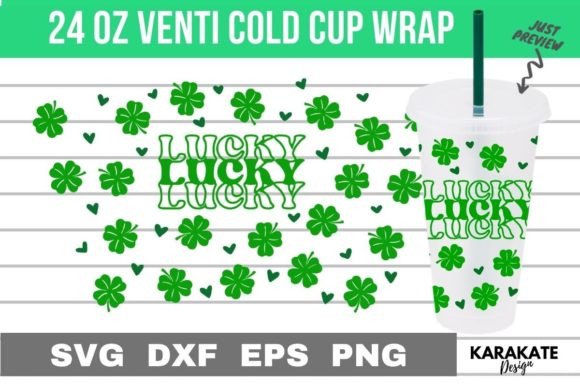
When a new design asset lands in my toolkit, I immediately start evaluating it for real-world application. The Lucky Mini Clover, a 24 oz Venti cup wrap graphic, isn’t just another digital product. It’s a potential cornerstone for a local business’s visual story. Let’s review this from the perspective of a brand designer preparing to use it for a client project, perhaps a charming independent coffee shop or a boutique herbal tea brand looking for that perfect decorative accent.
The First Impression: Soft, Feminine, and Sprightly
Opening the file, the first thing you notice is a mood of gentle, organic charm. This isn’t a bold or corporate graphic. The Lucky Mini Clover suggests a friendly, handmade, and perhaps slightly whimsical brand personality. It feels decorative, soft, and inherently feminine. This asset would perfectly fit businesses that value a touch of nature, a sense of luck or growth, or a cozy, welcoming atmosphere. Think of a florist’s specialty drink line, a wellness-focused cafe, a children’s boutique product, or a skincare brand with botanical roots. It leans toward a premium-but-accessible feel, more elegant rustic than stark modern.
Real-World Branding: Beyond the Cup Wrap
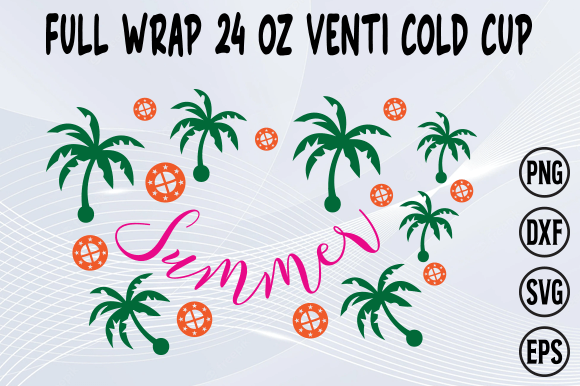
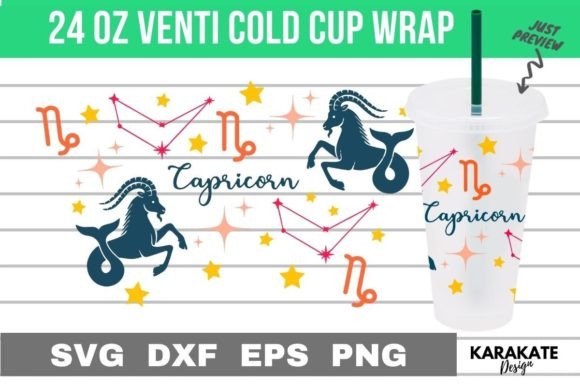
The product title specifies a cup wrap, but in brand design, a versatile graphic asset is a goldmine. This Lucky Mini Clover can transcend its named use. Imagine applying it to the logo design for a small bakery, using a single clover as the icon next to a beautiful script font. For a candle brand, it could become the central illustration on a product label. The high-resolution PNG with a transparent background means it’s ready to drop onto social media graphics for a spring promotional campaign or a website banner announcing a new seasonal blend.
For packaging design, its utility expands. It could adorn hang tags for handmade soap, serve as a repeating pattern on a thank-you card insert, or act as a decorative border on a boutique’s price list. The provided SVG and EPS files indicate it’s vector-based, which is crucial for professional branding. This means you can scale it infinitely without quality loss—from a tiny sticker on a jar to a large poster in a store window—and edit colors to match your client’s exact brand palette.
Building a Cohesive Visual Identity
A strong local business brand needs consistency. This single design asset can seed an entire identity. Using the Lucky Mini Clover across product labels, menu graphics, flyers, and business cards creates an immediate, recognizable visual thread. This repetition builds stronger product recognition. When a customer sees the same clover motif on the cup, the Instagram post, and the loyalty card, it reinforces trust and polish. It turns a simple graphic into a brand signature.
Where This Asset Creates Maximum Impact
To leverage this graphic effectively, focus on applications where its decorative nature enhances without overwhelming.
- Product Labels & Packaging Accents: As a hero graphic on a simple label for honey, tea, or a small batch food item.
- Promotional Banners & Social Media Campaigns: For seasonal sales (think “Spring Luck Sale”) or new product launches.
- Thank-You Cards & Boutique Visuals: Adding a branded touch to customer interactions.
- Product Mockups: Creating compelling presentation images for online stores or marketplaces.
- Decorative Brand Elements: Within a larger layout, like on a website’s footer or as a watermark on photographs.
In these contexts, the Lucky Mini Clover supports a stronger first impression, clearer visual hierarchy when paired with good typography, and a more emotional connection through its symbolic, nature-inspired aesthetic.
Considerations for Professional Application
As a brand designer, I also note where such an asset should be applied with care. Its detailed, illustrative style means it shouldn’t be forced into every scenario.
- Formal Corporate Branding or Luxury Minimalist Brands: The decorative style might clash with a sleek, ultra-minimal identity.
- Very Small Labels or Crowded Packaging: When space is tight and legal information or ingredient lists are paramount, the graphic could compete with essential text.
- Low-Contrast Backgrounds: The delicate lines might disappear if not placed thoughtfully.
The key is to let it shine where decoration is the goal, not to use it as a filler in information-dense zones.
Essential Designer Notes Before Client Use
Before integrating the Lucky Mini Clover into any commercial design project for a client, a few practical steps are non-negotiable.
- Test on Real Mockups: Place it on a digital template of a cup, jar, or bag. See how it interacts with your chosen fonts.
- Check Versatility: Preview the PNG on a small label size to ensure detail remains clear. Test the SVG file by changing colors to match your brand palette.
- Assess Typography Pairings: How does it look beside a clean sans-serif font for readability? Does it complement a script font for elegance? Try it with various styles.
- Review Competitor Context: Look at similar businesses’ packaging. Does this graphic help your client stand out or feel cohesive within their niche?
- Confirm Commercial Licensing: Ensure the asset’s license permits use for physical product sales, client business branding, and promotional materials. This is foundational for professional work.
- Inspect Print Quality: The 300 DPI specification is good, but always verify the output in your intended print process.
This process ensures the asset doesn’t just look good on screen, but performs in the real world of shelf appeal, customer trust, and polished marketing visuals.
A Sprout of Brand Potential
Ultimately, the Lucky Mini Clover 24 oz Venti cup wrap, as a graphic design asset, represents more than a craft graphic. For a small business owner, a handmade seller, or a local brand, it’s a versatile tool for building a more consistent and attractive brand identity. From product packaging to social media graphics, its application can elevate a business’s presentation from generic to thoughtfully curated. It’s a small detail that, when used strategically, can make a brand feel cared for, distinctive, and genuinely engaging to its community. In the hands of a thoughtful designer or a creative entrepreneur, it’s not just a file; it’s a seed for a stronger visual story.