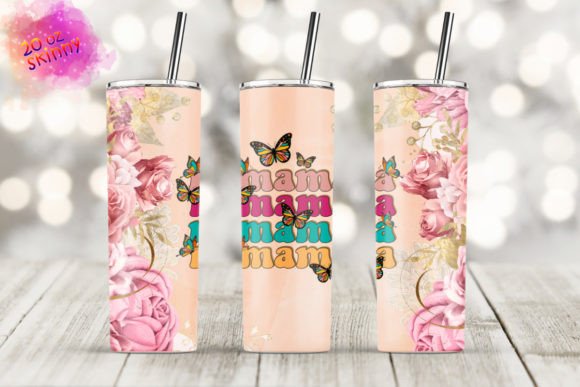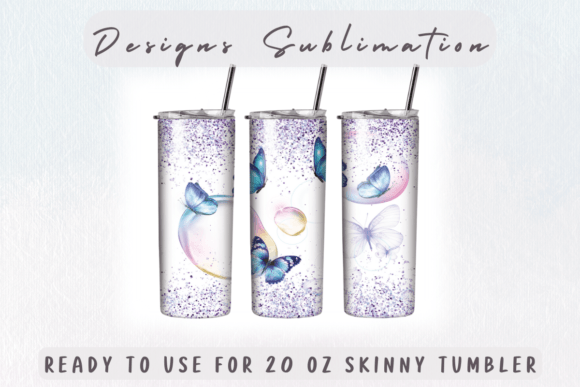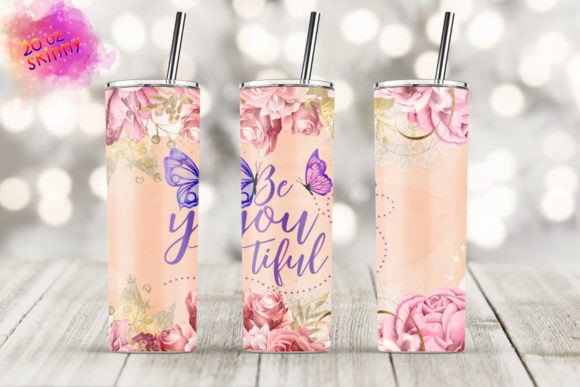
A Butterfly Design Built for Skinny Tumblers and Beyond
Every time I get a new embroidery file, I’m not just looking at a graphic. I’m thinking about the life it will have once it’s stitched out—the fabric it’ll sit on, the customer who’ll wear it, the gift it will become. Today, I’m evaluating the Butterfly 20oz Skinny Tumbler design from that exact perspective. This isn't a generic review; it’s a practical design judgment, thinking through how this butterfly translates from a digital file to a real, threaded project.
First Impressions: Graceful and Adaptable
The immediate mood here is graceful and light. The butterfly’s shape isn’t overly intricate or rigid; it has a flowing, open quality that suggests it would stitch out cleanly without becoming a dense, heavy patch of thread. The layout feels balanced, with details that seem designed to translate well into satin stitches for the body and fill stitches for the wings. This isn’t a hyper-realistic scientific illustration; it’s a decorative, friendly graphic with a visual personality that leans toward cheerful and approachable. My first thought wasn't just "tumbler." I pictured it on a lightweight baby blanket or as a sweet accent on the corner of a kitchen towel. It naturally belongs to projects that need a touch of whimsy without overwhelming the item.
Where This Butterfly Flies in Real Projects
Let’s talk real-life application. I’m imagining a scenario: a client requests a custom embroidered tote bag as a birthday gift. They want something feminine and nature-inspired but not too bold. This butterfly design comes to mind immediately. Its scale, implied by the "Skinny Tumbler" focus, suggests it’s suited for a medium-sized hoop, making it perfect for a tote bag’s front panel.
Beyond that, its adaptability is key. For small business merchandise, this could be a lovely, consistent branding element on aprons for a boutique café or on pillow covers in a handmade home goods shop. For Etsy sellers and craft fair products, stitching this onto a simple sweatshirt or a cap instantly creates a sellable, stylish item. The design has a giftable quality—it feels appropriate for wedding gifts, holiday presents, or personalized baby items like a little onesie. Even as a digital product asset, it creates a strong, clear printable mockup for your listings, showing potential buyers exactly what they could create.
Performance on Fabric: Clarity and Considerations
In practical embroidery situations, I think this design would perform well on stable, medium-weight fabrics. On a cotton tote bag or a fleece sweatshirt, with proper stabilizer, the stitches should hold their definition. The apparent level of detail seems manageable; there likely aren’t tiny, finicky corners that would bunch up.
However, this is where an experienced designer’s caution comes in. The design should be used carefully on certain surfaces. Stretchy fabric like a thin t-shirt would require excellent stabilization to prevent distortion. Dark fabric backgrounds would demand a thoughtful choice of thread colors to maintain contrast and visual clarity. On curved surfaces like caps, you’d need to consider the hoop size and placement to ensure the butterfly sits flat and doesn’t warp. Also, if there are any very dense stitch areas in the wings, products that need frequent washing might require extra care to maintain the design’s integrity over time.
Impact on Your Craft Business and Customer Trust
Using a design like this well affects more than just the stitch. It impacts visual appeal and, ultimately, customer trust. A clean, well-executed embroidery job with a pleasing design like the Butterfly 20oz Skinny Tumbler elevates the perceived value of your handmade product. It signals professionalism and attention to detail. For a creative entrepreneur, consistently using designs with this level of adaptable charm can strengthen your brand consistency. A customer receiving a personalized gift with this embroidery feels the care put into it—the design is recognizable, pleasant, and feels intentionally chosen, which boosts buyer engagement and satisfaction.
Essential Designer Notes Before You Hoop Up
Before you run this machine embroidery design for a client project or your own small shop product, here’s my straightforward advice. First, test the design on scrap fabric first. Use the same material you plan for the final project. This reveals everything: the true stitch density, how the thread colors interact with your fabric texture, and whether your chosen hoop size is ideal.
While evaluating, check thread color contrast thoroughly. Test it in black and white mockups mentally to see if the shapes hold up without color. Compare light and dark fabric backgrounds in your plan. Always use proper stabilizer for the specific fabric—this is non-negotiable for clarity. Inspect small details in the file preview; are there any potential trouble spots like extremely thin lines?
Finally, a crucial step for any commercial embroidery or selling finished items: confirm licensing before selling. The product description states this is a digital embroidery file, but you must verify the license terms yourself to understand if it’s approved for personal and commercial projects. Never assume. This protects your business and respects the digital artist’s work.
The Final Stitch: A Versatile Asset for Makers
In my view as a designer who turns files into physical goods, the Butterfly 20oz Skinny Tumbler design is a versatile graphic asset. Its initial purpose hints at a specific use, but its character opens it up to a wide range of embroidery projects. From an embroidered patch to a baby embroidery on a romper, it carries a gentle aesthetic that resonates. For apparel decorators and hobbyists, it offers a project that’s likely satisfying to stitch and rewarding to finish. The key, as always, is in the preparation: testing, adjusting, and ensuring your technique matches the design’s potential. When done right, this butterfly won’t just decorate a tumbler—it’ll add a flutter of handmade charm to whatever you choose to embellish.